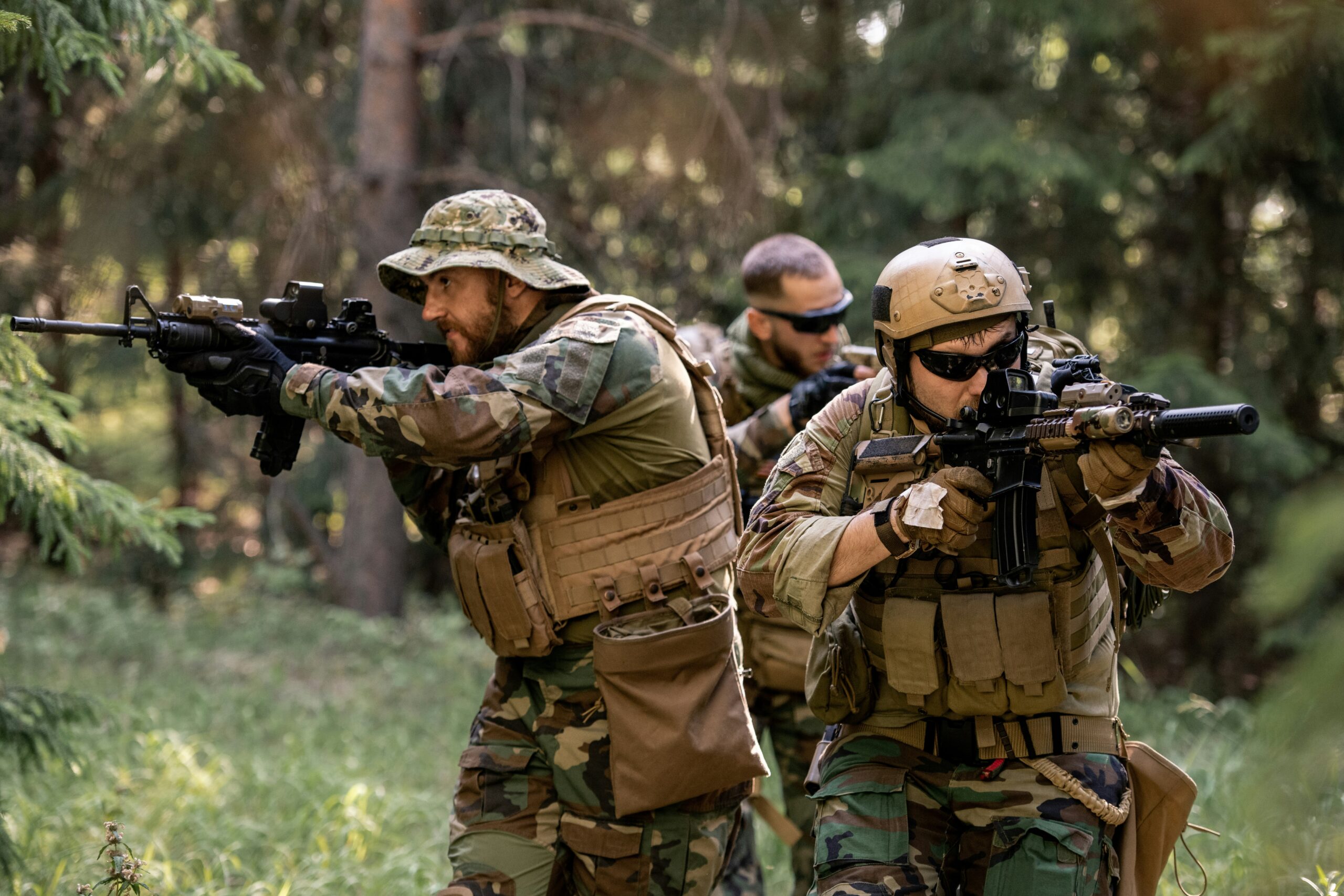
Military service shapes people in powerful ways, and it often builds skills that extend far beyond the battlefield. Many veterans discover that the discipline, effective leadership, and resilience they developed in uniform naturally prepare them for entrepreneurship. Although the transition from military life to business ownership can be challenging, it also offers opportunities for independence and innovation. As a result, countless former service members have successfully transformed their experiences into thriving ventures.
Moreover, entrepreneurship allows veterans to regain a sense of mission after leaving the service. Instead of following orders, they now create strategies, set goals, and lead teams on their own terms. While the environment changes, the mindset remains familiar. Consequently, the journey from military service to entrepreneurship is not a complete shift but an evolution of purpose.
Military Skills That Translate into Business
First of all, leadership is one of the most valuable skills veterans bring to entrepreneurship. In the military, leaders make decisions under pressure, motivate diverse teams, and take responsibility for outcomes. Similarly, business owners must guide employees, manage conflicts, and steer their companies through uncertainty. Therefore, veterans often adapt quickly to leadership roles in business settings.
In addition, discipline and time management are crucial to entrepreneurial success. Military training emphasizes structure, punctuality, and accountability, which directly support efficient business operations. When deadlines approach or challenges arise, veterans rely on these habits to stay focused. As a result, they often maintain consistency and professionalism even during demanding startup phases.
The Mental Shift from Service to Ownership
However, transitioning from military service to entrepreneurship requires a significant mental adjustment. In the military, clear hierarchies and defined missions guide daily actions. By contrast, entrepreneurs must create their own direction and accept uncertainty. Although this freedom can feel overwhelming at first, it also empowers veterans to shape their futures.
Furthermore, learning to take calculated risks becomes essential. While the military minimizes unnecessary risk through strict protocols, entrepreneurship involves experimentation and adaptation. Nevertheless, veterans already understand risk assessment and contingency planning. Consequently, they can apply these skills to make informed business decisions while remaining flexible in changing markets.
Overcoming Challenges as a Veteran Entrepreneur
Naturally, veteran entrepreneurs face unique challenges when starting a business. For example, adjusting to civilian communication styles and business cultures can take time. While military environments value direct commands, the business world often relies on negotiation and collaboration. Even so, veterans who remain open to learning can effectively bridge this gap.
At the same time, financial uncertainty may create stress during the early stages of entrepreneurship. Unlike a steady military paycheck, business income fluctuates. However, veterans often excel at budgeting and resource management due to their training. Therefore, with careful planning and persistence, they can overcome financial obstacles and build sustainable ventures.
Building a Business with Purpose
Importantly, many veterans choose entrepreneurship to continue serving others. Whether they launch security firms, consulting agencies, or community-based startups, their businesses often reflect values learned in service. As a result, purpose-driven entrepreneurship becomes a powerful motivator for long-term success.
Additionally, veteran-owned businesses frequently prioritize teamwork and loyalty. Because military service emphasizes trust and unity, these values carry over into company culture. Consequently, employees often feel respected and supported, which boosts morale and productivity. Over time, this people-first approach strengthens both internal operations and customer relationships.
Support Systems and Resources for Veterans
Fortunately, numerous resources exist to support veterans on their entrepreneurial journey. Government programs, nonprofit organizations, and veteran-focused incubators provide training, guidance on funding, and mentorship. Therefore, veterans do not need to navigate the process alone.
Moreover, networking within veteran communities offers emotional and professional support. Connecting with others who share similar experiences builds confidence and motivation. As a result, veteran entrepreneurs gain insights, partnerships, and encouragement that accelerate their growth and reduce isolation.
Redefining Success After Military Life
Ultimately, entrepreneurship allows veterans to redefine success on their own terms. Instead of measuring achievement through rank or deployment, they now evaluate progress through impact, innovation, and personal fulfillment. While the path may include setbacks, each challenge strengthens their resilience.
The journey from military service to entrepreneurship represents a powerful transformation. By leveraging leadership, discipline, and purpose, veterans turn experience into opportunity. Therefore, as more service members step into business ownership, they continue to serve society in new and meaningful ways—this time from the boardroom rather than the battlefield.